
- Major ActivitiesMajor ActivitiesThe Northeast Asian History
Foundation is the center of
Northeast Asian history research - ResourcesResourcesThe Northeast Asian History
Foundation is the center of
Northeast Asian history research - NewsNewsThe Northeast Asian History
Foundation is the center of
Northeast Asian history research - IntroductionIntroductionThe Northeast Asian History
Foundation is the center of
Northeast Asian history research
-
Screen size
-

- Major Activities
- Resources
- News
- Introduction
- Website Guide
Activities
- Hit 630
- Changes in National History Narratives in Korea and Japan
and History Education for Future Generations
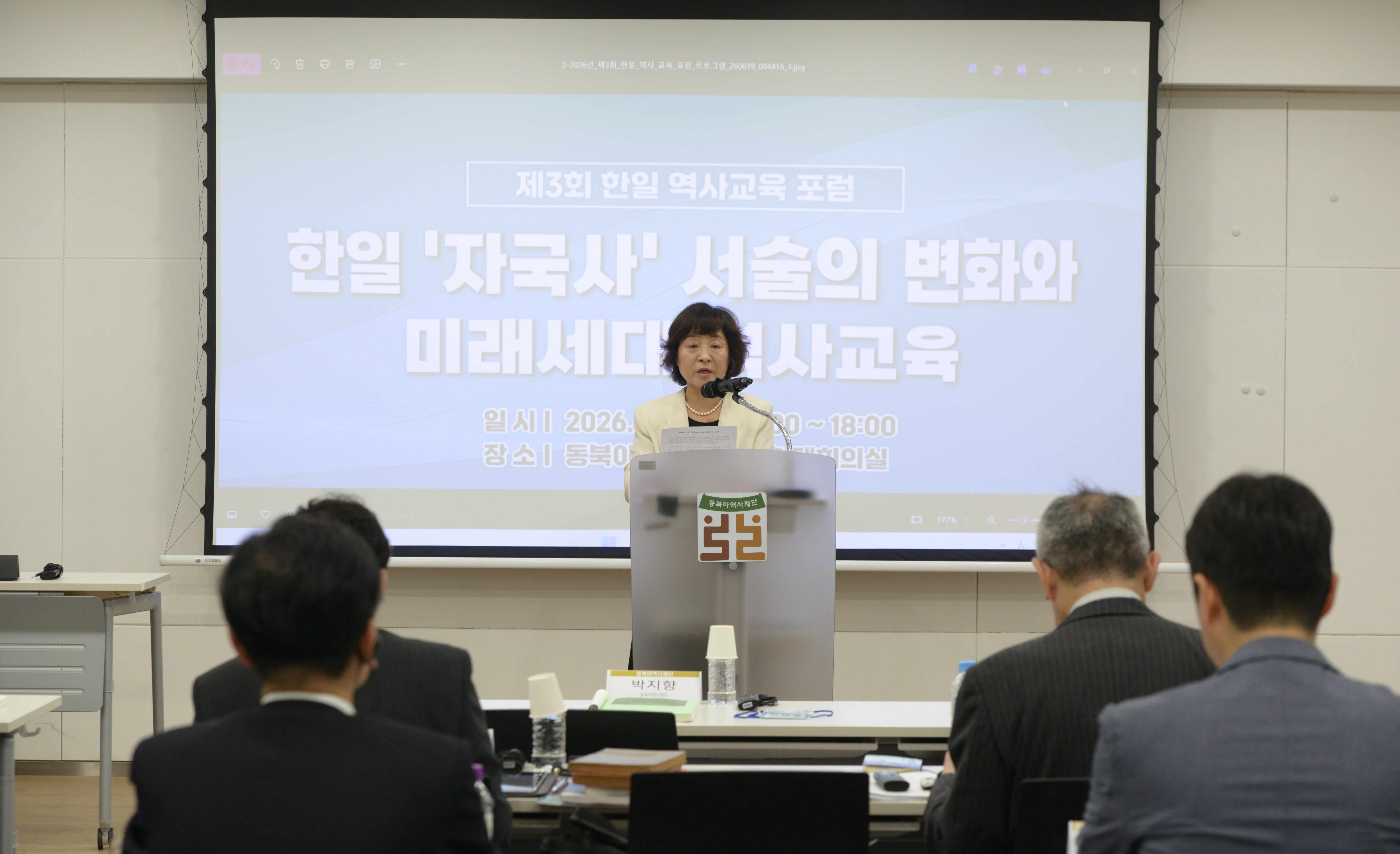
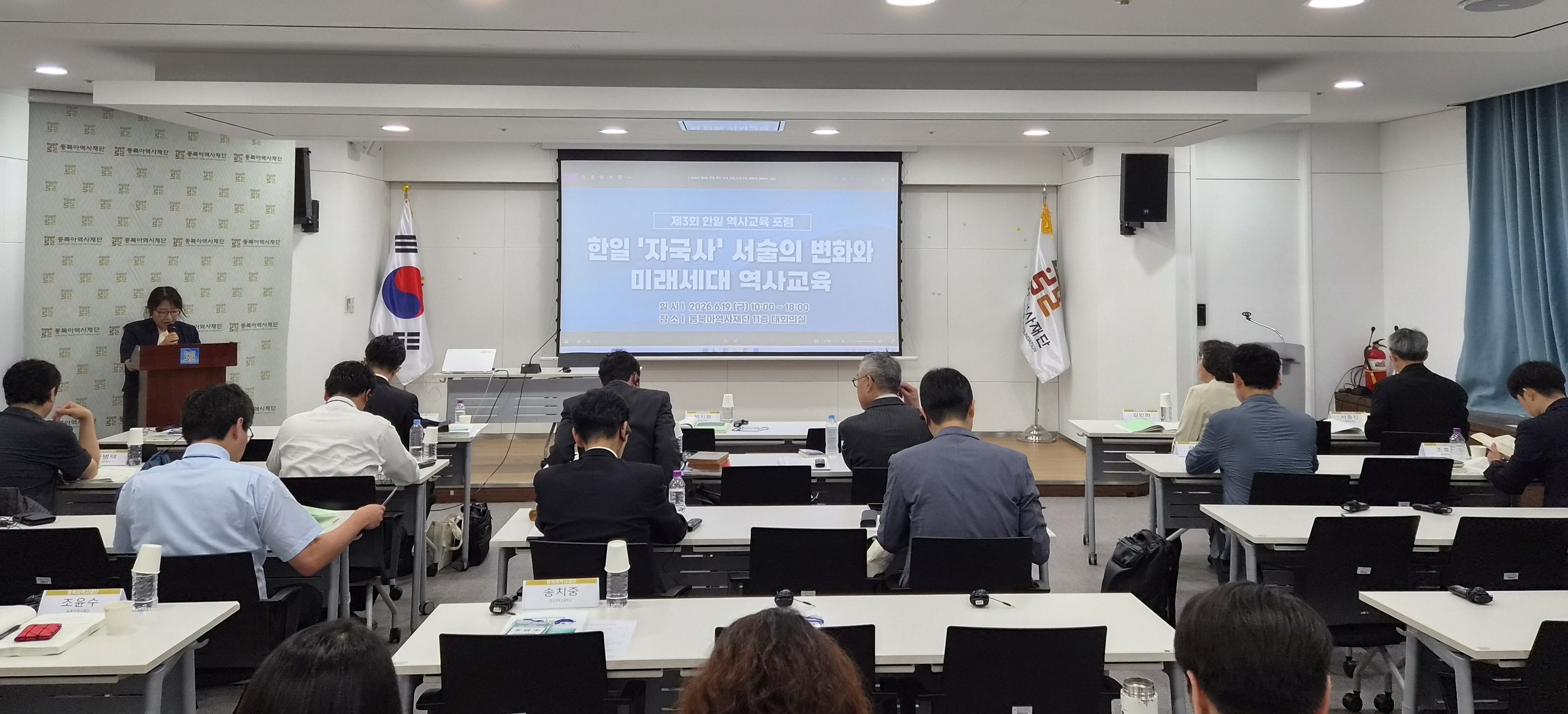
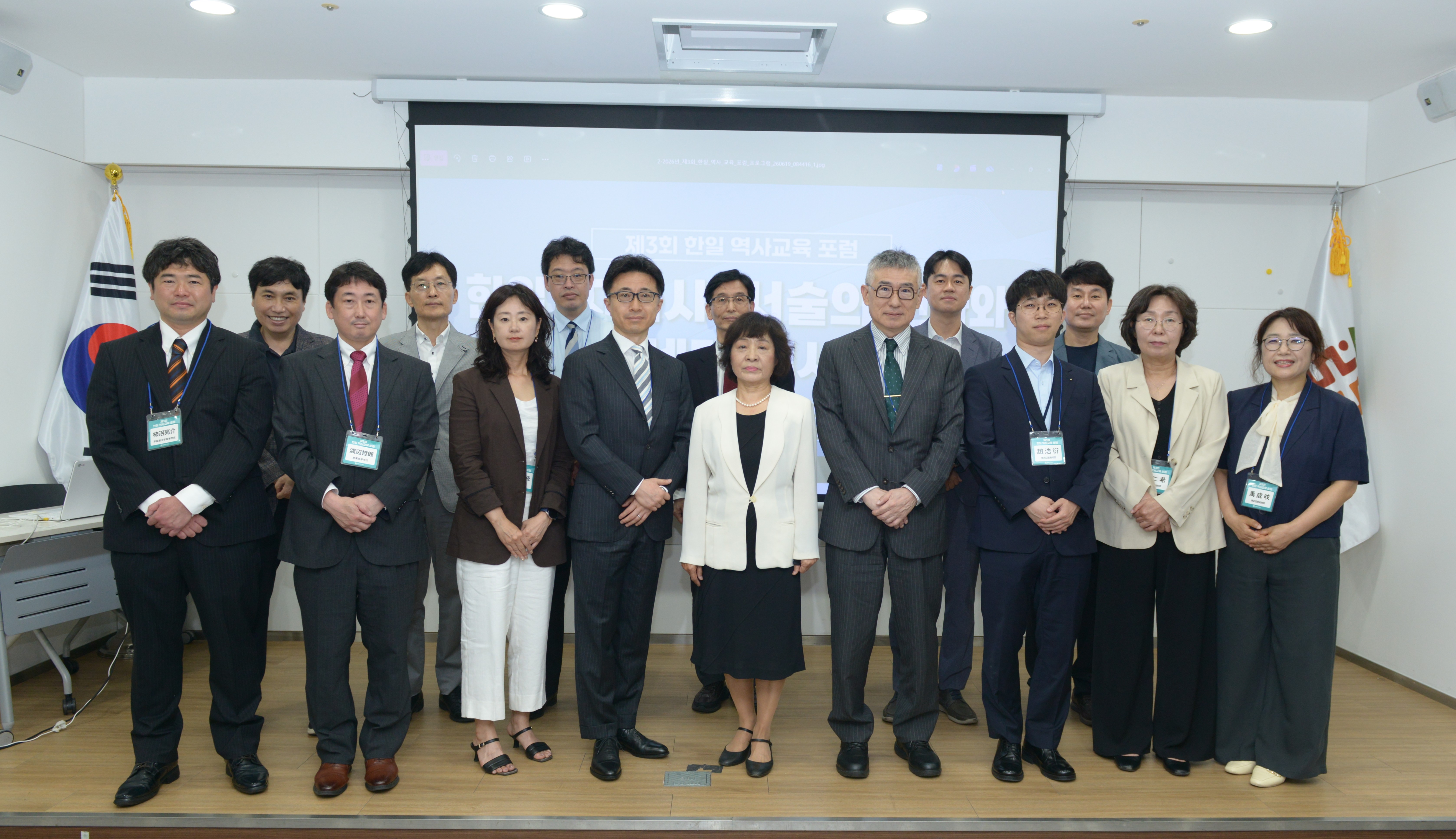
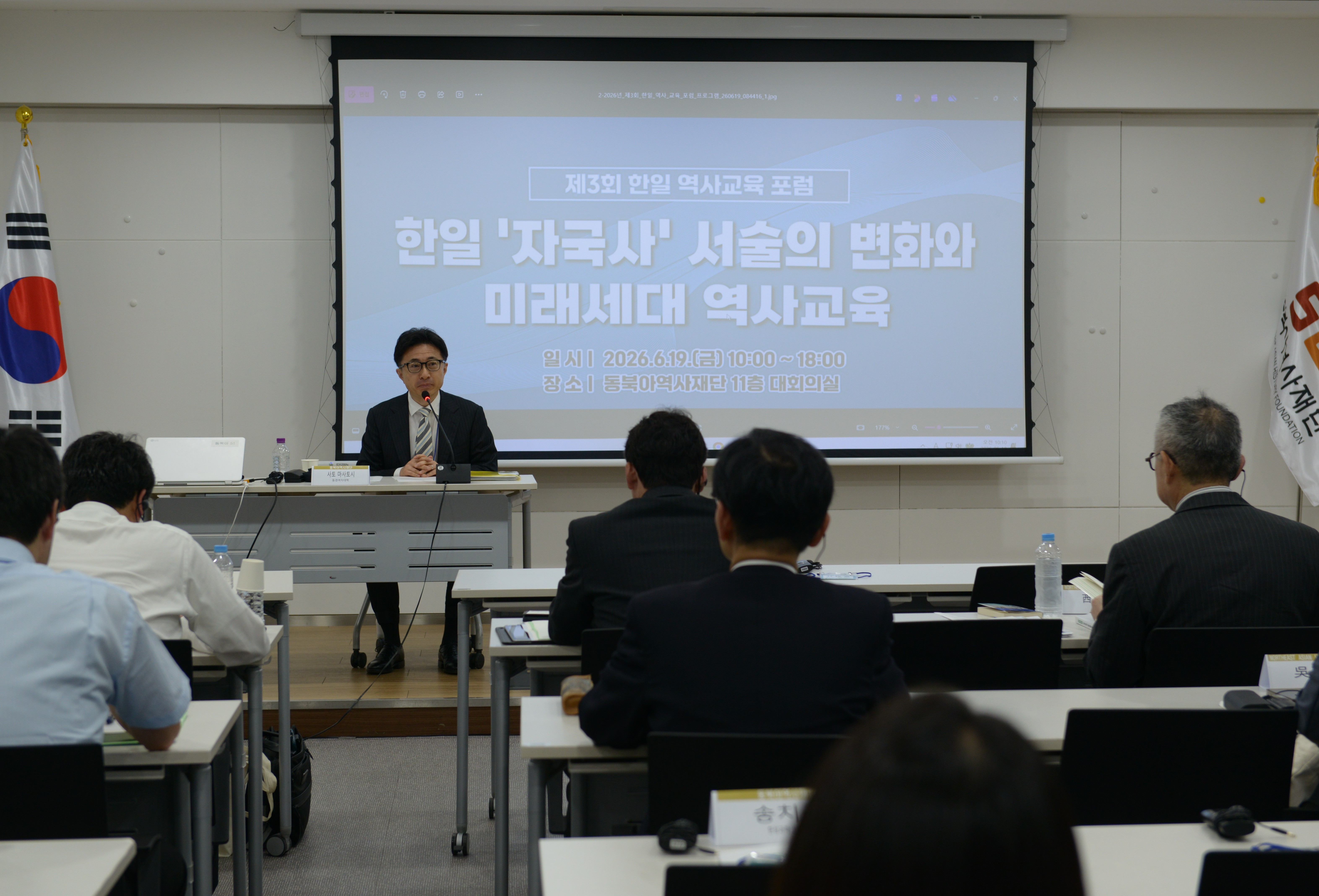
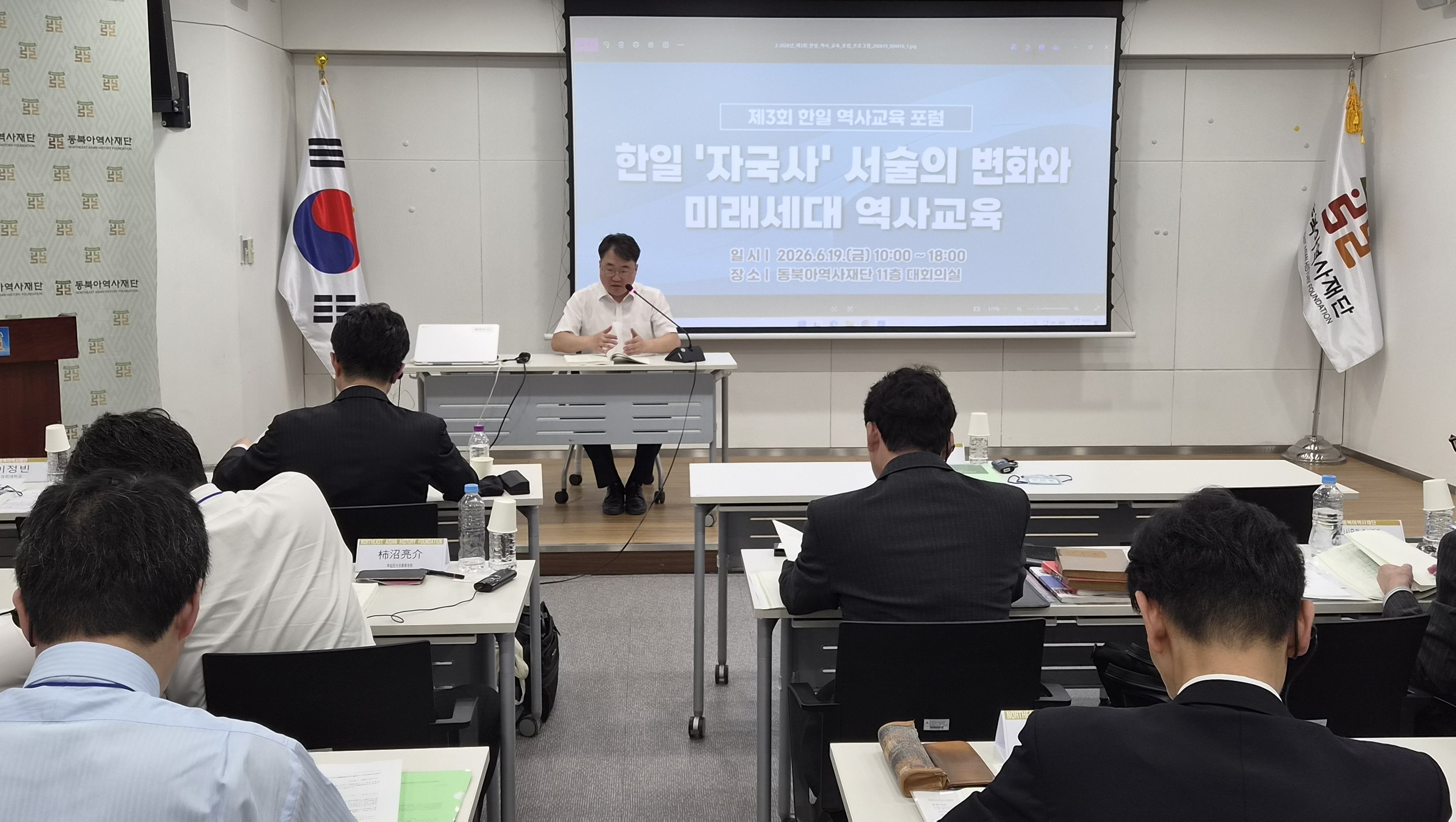
The Foundation held the 3rd Korea–Japan History Education Forum on June 19 (Friday) in its main conference hall. Under the theme “Changes in National History Narratives in Korea and Japan and History Education for Future Generations,” the forum brought together history textbook authors and history education researchers from both countries to share developments in textbook narratives and explore future directions for history education.
In particular, marking the Foundation’s 20th anniversary, it was decided that the Korea–Japan History Education Forum would be held twice a year. This forum served as the first event under the expanded format.
Participants from Japan included authors and researchers affiliated with major history textbook publishers, including Yamakawa Shuppansha, Jikkyo Shuppan, Kyoiku Shuppan, and Daiichi Gakushusha. From Korea, textbook authors involved in the 2022 Revised National Curriculum, textbook review committee members, and history education researchers took part in the discussions.
Session 1, titled “Ancient Korea–Japan Foreign Relations,” featured presentations by Professor Masatoshi Sato (Tokyo Woman’s Christian University) and Professor Jeong-bin Lee (Kyung Hee University).
Session 2, on “The International Order and Exchanges in Medieval East Asia,” included presentations by Teacher Yoshitaka Nishimura (Aoyama Gakuin Senior High School) and Professor Kyung-ho Moon (Kongju National University).
Session 3, titled “Early Modern East Asia and Changes in National History Narratives,” featured presentations by Teacher Tetsuro Watanabe (Toyo High School) and Teacher Chi-jung Song (Hansung Science High School).
The forum concluded with a comprehensive panel discussion.
Chairperson Park Ji-hang stated, “This forum provides an opportunity for textbook authors and researchers from Korea and Japan to jointly consider how to guide students toward a more balanced and future-oriented understanding of history.” She added, “I hope today’s discussions will contribute not only to the advancement of history education in both countries but also to deeper mutual understanding and friendship among future generations.”
- No Data